


Hong Kong’s vibrant urban landscape is often celebrated for its dynamism and diversity, yet when it comes to inclusive fitness, the city still has a long way to go.
Structural and social barriers
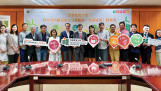
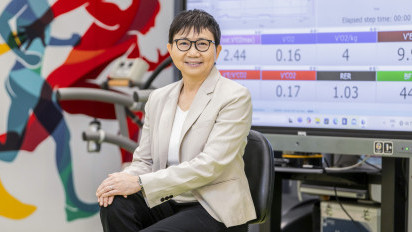
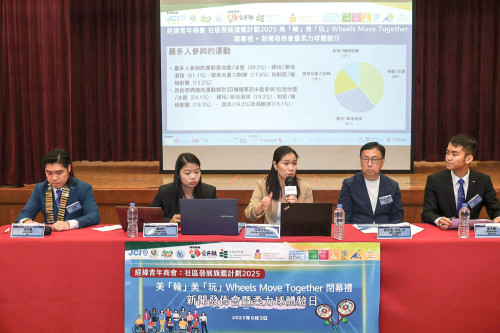
A recent study revealed that many sports venues and fitness facilities remain inaccessible or ill-equipped to meet the needs of people with disabilities. For wheelchair users in particular, barriers to physical activity are both structural and social. Between April and July last year, EdUHK’s Dr Carman Leung Ka-man and her team collaborated with Junior Chamber International (JCI) Queensway to conduct a comprehensive survey of over 150 wheelchair users.
The study found that more than one-third of respondents had not done any physical activity over the previous week, and only 5.3% met the World Health Organisation’s (WHO) recommended levels of moderate-intensity physical activity. This reflects a broader issue of exclusion and missed opportunity. The WHO’s 2020 guidelines underscore the profound benefits of regular exercise for people with disabilities, including improved physical and mental health, enhanced social interaction, and reduced risk of chronic illness.
Support for public facilities
The survey revealed that wheelchair users are keen to stay active. The most popular activities included floor or ice curling (39.2%), and hard or lawn bowls (31.1%). Respondents cited a range of obstacles that hinder their participation, including inconvenient transportation, inadequate facilities and financial constraints.
Furthermore, over 57% of respondents felt the general public lacked understanding of physical activity needs of wheelchair users. More than 90% supported increasing public exercise facilities, with many highlighting the potential benefits: promoting inclusion (30.9%), improving health (25.8%), fostering social interaction (22.7%), and combatting discrimination (14.8%).
Policy recommendations and community action
Dr Leung Ka-man’s recommends improving transport access to sports venues, expanding the range and capacity of Leisure and Cultural Services Department programmes, promoting group wheelchair sports and developing coach training systems specifically designed for wheelchair users.
JCI Queensway has also proposed a series of initiatives, including a dedicated sports platform, hosting diverse activities, and collaborating with NGOs, schools, and social service agencies to encourage family involvement.
Cultural shift
Inclusion in sport is a necessity, not a luxury. Hong Kong has the opportunity to become a regional leader in inclusive fitness. By listening to the voices of wheelchair users and implementing thoughtful, community-driven policies, the city can move forward into a future where everyone has the chance to move, connect, and thrive.